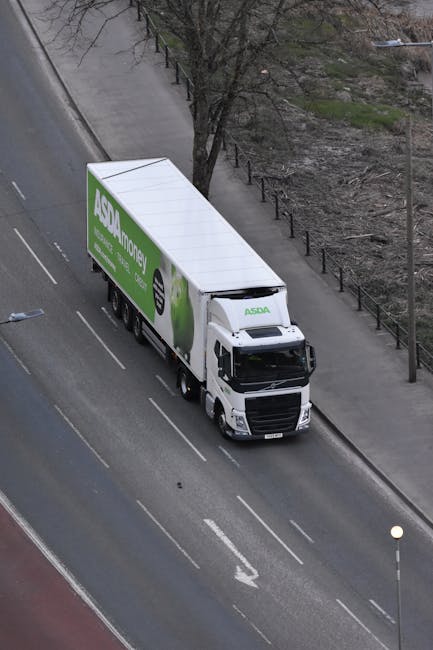
Move out of CR4 (Mitcham): permit and loading bay advice
Moving out of CR4 in Mitcham sounds simple until the van arrives and the street turns into a puzzle. A narrow road, a busy junction, or a loading bay that is already occupied can add stress fast. If you are planning a move, permit and loading bay advice is not a nice extra; it is often the difference between a smooth departure and a costly delay.
This guide explains how to plan the vehicle side of your move properly: when you may need a parking or loading permit, how loading bays typically work, what to check before moving day, and how to avoid the most common problems around access, timing, and vehicle size. If you want a move that feels organised rather than improvised, start here.
For broader help with residential moving support, you may also find home moves, house removalists, and man and van services useful while planning your route and service level.
Table of Contents
- Why move-out permit and loading bay planning matters
- How the process works in practice
- Key benefits and practical advantages
- Who this is for and when it makes sense
- Step-by-step guidance
- Expert tips for better results
- Common mistakes to avoid
- Tools, resources and recommendations
- Law, compliance and best practice
- Options, methods and comparison table
- Case study or real-world example
- Practical checklist
- Conclusion
- Frequently asked questions
Why Move out of CR4 (Mitcham): permit and loading bay advice Matters
CR4 covers a mix of residential streets, busier local roads, and areas where parking can be tight even on a calm day. That matters because removal work depends on one thing above all: access. If the van cannot stop close enough to the property, everything takes longer. If it blocks traffic, you risk complaints, fines, or having to move the vehicle mid-load. None of that helps on moving day.
A loading bay or parking arrangement is not just about convenience. It affects the whole moving chain:
- how far your furniture must be carried
- how many trips the team needs to make
- whether fragile items are exposed to rain or congestion
- how long the vehicle can legally stay in one place
- whether you can complete the move within the booked slot
In practice, people often underestimate the impact of street layout. A short walk from front door to van can be the difference between a neat, one-trip load and a long, stop-start job. If your move involves bulky furniture, boxes of books, or a property with stairs, the right stopping point matters even more.
That is why experienced movers often look at the access plan before they look at the floor plan. It is a small detail that saves a lot of trouble later.
How Move out of CR4 (Mitcham): permit and loading bay advice Works
The basics are straightforward: if you need to park a removal vehicle on a controlled street, outside a building with limited access, or in a loading bay, you may need permission or need to follow specific time limits. The exact rules depend on the street, the local authority, the signage, and the type of bay or suspension arrangement in place. Always check local parking information directly before relying on assumptions.
Here is the usual workflow for a move out of CR4:
- Check the street conditions. Look for yellow lines, permit bays, loading restrictions, time plates, and access points.
- Measure the vehicle fit. A small van may be fine on one street, while a larger removal truck may need a different plan. If in doubt, see moving truck options and removal truck hire for a better sense of vehicle scale.
- Confirm whether a permit is required. Some properties can use a standard loading approach; others need advance permission for the vehicle to stop legally.
- Plan the loading window. Bays may have time restrictions, so you need to work backwards from the actual move time.
- Build in a buffer. Delays happen. A neighbour's car, a school run, or a busy morning can quickly change the situation.
For local and commercial moves, the same logic applies. A business relocation may need stricter time control, while a flat move may hinge on a single loading bay that disappears quickly. If the job is more complex, a service such as office relocation services or commercial moves can help you plan around access and timing more carefully.
One practical truth: a loading bay is only useful if everyone involved understands the clock. A beautifully parked van that has to move after ten minutes is not a plan. It is a brief cameo.
Key Benefits and Practical Advantages
Good permit and loading bay planning brings calm, speed, and control to a move that would otherwise feel chaotic.
- Less carrying distance: the closer the vehicle, the easier the load.
- Faster loading: less walking means more time spent actually moving items.
- Lower risk of damage: fewer handovers and less time on the pavement reduces knocks and scuffs.
- Better traffic flow: a properly positioned vehicle is less likely to create friction with neighbours or passing traffic.
- More predictable timings: you are less likely to run over the booked slot.
There is also a human benefit that gets overlooked. When the vehicle is sorted, the rest of the day feels much more manageable. Boxes go where they should. The team stays focused. You do not spend the morning making emergency calls or apologising to people who cannot get past the van.
If you are moving a full household, this sort of structure pairs well with packing and unpacking services, because the whole move becomes easier to sequence. For single-room, student, or smaller jobs, a flexible man with van arrangement may be enough if access is simple.
Who This Is For and When It Makes Sense
This advice is useful for almost anyone moving out of CR4, but it is especially important if any of the following apply:
- you live on a narrow residential road
- parking near your property is limited or permit-controlled
- you are in a flat, maisonette, or upper-floor property
- you are moving bulky furniture, appliances, or multiple rooms of contents
- your move must happen within a narrow time window
- you are using a larger vehicle rather than a small van
- you expect temporary loading bay use or roadside stopping
It also matters if you are moving something specific rather than a full home. For example, a one-off pickup of a heavy cabinet or bed frame may be simple in theory, but awkward in practice if the vehicle cannot stop close by. In those cases, a service like furniture pick up can be the practical choice.
For office or retail relocations, the stakes are usually higher because access windows are often shorter and disruption costs more. A bit of planning here really does pay for itself.
Step-by-Step Guidance
If you want a sensible, repeatable process, use this approach.
1) Inspect the property and street in advance
Walk outside and look at the actual stopping space, not just the address. Check for permit-only spaces, loading restrictions, school-run congestion, corners, and road width. If a large vehicle is involved, imagine the turning circle too. It is much easier to discover a problem on a quiet afternoon than at 8:00 am with boxes on the pavement.
2) Decide what kind of vehicle you need
The right vehicle depends on volume, access, and the number of large items. A small van can suit a light move with easy parking, while a larger truck may be better for a full household if the route is clear. If you need a broad comparison of vehicle capacity and access planning, look at man and van versus removal truck hire before you book.
3) Confirm parking or loading arrangements
Do not assume the nearest kerb space will be available. Check whether the street is controlled, whether loading is permitted at the time of your move, and whether any bay restrictions apply. If you have a building manager, landlord, or concierge, ask about building-side rules too.
4) Book the moving service with the access plan in mind
Share the access details before the booking is final. Mention narrow streets, steps, long carries, permit zones, or anything else that could affect timing. Good movers can then recommend the right vehicle and team size. If your move is larger or more structured, a dedicated home moves or house removalists service may be a better fit than a quick one-man setup.
5) Pack for speed, not just storage
Pack the items you need first in a separate, clearly marked bag or box. Keep hallways clear. Make sure furniture is dismantled if needed. The faster the internal handover, the less pressure on the vehicle space outside. A tidy departure also means fewer last-minute "where did I put the kettle?" moments, which always seem to happen right as the van is reversing.
6) Keep a plan B ready
If the loading bay is occupied or the permit bay is unavailable, know what you will do next. That may mean using a nearby legal stopping point, adjusting the collection time, or staging items inside first. A fallback plan is not pessimism; it is good logistics.
Expert Tips for Better Results
These are the small things that tend to make the biggest difference.
- Start earlier than you think. Access issues are much easier to handle when there is spare time.
- Take photos of signs and bays. If there is a dispute later, photos help you remember exactly what was in place.
- Ask about suspension or reservation requirements early. Waiting until the final week can limit your options.
- Keep the loading route clear. Boxes in the hallway slow everything down and can create safety issues.
- Use clear labels. If your movers can see where each box goes, loading becomes much more efficient.
- Think about neighbours. A quick warning can avoid awkwardness if the van needs the closest space for a short time.
One particularly useful habit is to do a five-minute "street rehearsal" the day before. Stand outside, look at the road from the driver's point of view, and ask yourself: where would the van actually stop? That simple check catches more problems than people expect.
If your move includes specialist packing, the right prep can be transformative. Packing and unpacking support is especially helpful when timing is tight and you need the vehicle to load efficiently rather than sit idle while the last box is wrapped.
Common Mistakes to Avoid
Most moving headaches come from a short list of avoidable errors.
- Leaving parking planning until the day before. That is often too late to fix problems.
- Assuming a loading bay is always free. In busy areas, that is rarely true.
- Booking the wrong vehicle size. Too large can be awkward; too small can create extra trips.
- Ignoring time limits on signs. A legal stop at 9:00 may not be legal at 9:20.
- Forgetting about access for the destination too. The move is only half planned if the arrival point is harder than the departure point.
- Not telling the mover about stairs, lifts, or long carries. These details affect labour and timing.
The most expensive mistake is usually not the permit itself. It is the delay that follows when the vehicle cannot get close enough to do the job properly.
Tools, Resources and Recommendations
You do not need a complicated toolkit to plan well, but a few basics make the job far easier.
- Google Maps or a street-view check: useful for spotting road width, corners, and signage.
- Phone photos: handy for recording bay signs and building access points.
- Moving inventory list: helps you judge vehicle size and loading time.
- Floor plan or room list: useful if you are coordinating a bigger household move.
- Parking and permit notes: keep the time, location, and any reference details in one place.
If you are comparing service options, the right fit depends on scale and complexity. Smaller local jobs may suit a flexible van-based service. Bigger household or business moves usually benefit from a structured approach with more space, more hands, and a clearer loading plan. You can explore options such as moving truck support or commercial moving services depending on what you are relocating.
For trustworthy service background and contact details, it is always sensible to review the provider's about us page and contact us page before you book. A good service provider should be easy to reach and clear about what is included.
Law, Compliance, Standards, or Best Practice
Parking, loading, and stopping rules in Mitcham can involve local restrictions, signage, permit conditions, and general highway rules. Because these details can change by street and council area, it is best practice to check the current local authority guidance directly before the move. Do not rely on old information, neighbour advice, or memory from a previous move.
From a practical compliance standpoint, keep these points in mind:
- follow posted time restrictions exactly
- do not block access routes, dropped kerbs, or driveways
- make sure the vehicle is parked legally for the full loading period
- avoid leaving items in a position that creates a trip or traffic hazard
- confirm any property or building rules that apply to service vehicles
Best practice also means communicating clearly with your mover. If they know the legal and physical constraints in advance, they can plan the loading sequence correctly. That helps protect both the move and your schedule.
If you are reading service terms before booking, the provider's terms and conditions and privacy policy are worth reviewing so you understand how information and bookings are handled.
Options, Methods, or Comparison Table
Not every move out of CR4 needs the same approach. The right choice depends on access, volume, and how much help you want.
| Option | Best for | Strengths | Limitations |
|---|---|---|---|
| Man and van | Small to medium moves with flexible access | Agile, often easier on narrow streets, cost-effective for lighter loads | May need more trips for larger households |
| House removalists | Full home moves and heavier furniture | More support, better for stairs and larger item handling | Usually less suited to very tight parking unless planned well |
| Removal truck hire | Higher-volume moves with clear access | Good capacity, efficient for one large load | Requires more space and careful stopping arrangements |
| Loading-bay-led move plan | Controlled streets and timed access | Structured, efficient, good for busy areas | Needs advance checking and strict timing |
If your street access is uncertain, a smaller vehicle can sometimes be the smarter move, even if it means more organisation. On the other hand, if you have a confirmed space and a big load, a larger vehicle may save time overall. The best option is the one that fits the road you actually have, not the road you wish you had.
Case Study or Real-World Example
Imagine a two-bedroom flat in CR4 with a narrow street, resident permit parking, and a nearby loading bay. The movers are booked for a morning slot. The first mistake would be arriving with a vehicle that is too large to turn easily into the street. The second would be assuming the loading bay will still be free when the van arrives.
A better approach is to check the street the day before, identify a legal stopping point, and confirm how long the bay can be used. The mover can then arrive with the right vehicle size, the right number of people, and a sequence for loading the large furniture first. Boxes can be carried in organised batches, and any fragile items can be protected before they leave the property.
In that scenario, the difference is not dramatic on paper, but it is huge in practice. The move finishes sooner, the carrier does fewer unnecessary walks, and the risk of holding up traffic or overrunning the slot drops sharply.
That is the real value of permit and loading bay planning: it quietly removes friction.
Practical Checklist
Use this checklist a few days before moving out of CR4.
- Check street signs, bay restrictions, and permit requirements
- Confirm the best stopping point for the vehicle
- Decide whether a van, larger truck, or removal vehicle is suitable
- Tell the mover about steps, lifts, narrow hallways, and long carries
- Prepare parking notes and reference details in one place
- Pack fragile items and essentials separately
- Clear the hallway, front entrance, and immediate loading path
- Leave spare time in case the bay is occupied
- Check the destination access too, not just the departure point
- Keep your phone charged and available on the day
Expert summary: The best move is not always the biggest vehicle or the fastest start. It is the move where access, timing, and loading space all work together.
If you are still comparing services, it can help to look at the provider's main service range and then choose the closest match to your move type. For example, some people need straightforward local help; others need a more complete moving package with labour, transport, and packing support. Either way, selecting the right service up front is usually cheaper than fixing the wrong choice later.
Conclusion
Moving out of CR4 in Mitcham is much easier when the parking and loading plan is sorted before anything is lifted. The right permit or loading bay strategy protects your schedule, reduces stress, and helps the move run legally and safely. That means checking the street, choosing the right vehicle, and making sure everyone understands the time window.
Keep it simple: plan access first, then move the items. That order saves more headaches than almost anything else.
If you want a move that feels organised from the first box to the last chair, choose a service that understands local access, vehicle fit, and practical loading conditions. A quick conversation before booking can make a real difference on the day.
Get a free quote today and see how much you can save.
Frequently Asked Questions
Do I need a permit to move out of CR4 in Mitcham?
Sometimes, yes. It depends on the exact street, whether the road is controlled, and whether the vehicle needs to park in a permit-only or restricted area. Always check the local restrictions for the specific address before moving day.
What is the difference between a loading bay and a normal parking space?
A loading bay is usually designated for short-term loading and unloading, often with time limits or conditions. A normal parking space may not allow the same temporary stopping use, especially in controlled areas.
Can a removal van stop on double yellow lines?
Not automatically. Loading and unloading exemptions can exist in some situations, but they are limited and depend on local rules and the circumstances. Never assume it is allowed without checking the current signage and regulations.
How far in advance should I arrange parking or loading access?
As early as possible. A few days may be enough for a simple local move, but more complex arrangements should be checked well ahead of time so you can adjust the vehicle and schedule if needed.
What happens if the loading bay is occupied when the van arrives?
You may need to wait, move to another legal stopping point, or adjust the loading sequence. That is why it helps to build a buffer into your plan rather than relying on the bay being empty at the exact minute you arrive.
Is a smaller van better for narrow streets in CR4?
Often, yes. A smaller van can be easier to position and less stressful on tight roads. However, if you have a large volume of items, the best choice still depends on overall load size and access at both ends of the move.
What should I tell the moving company before booking?
Tell them about parking restrictions, loading bays, narrow roads, steps, lifts, long carry distances, and any time limits on access. These details affect the vehicle choice, team size, and timing.
Do I need to worry about access at the new address too?
Yes. The destination can be just as important as the departure point. If parking is limited there, you may need a different vehicle or a different unloading sequence to keep the move efficient.
How do I know whether I need man and van or a larger removal truck?
Think about volume, furniture size, and access. A man and van setup suits lighter or smaller moves and trickier streets, while a larger truck may work better for bigger loads if the road and parking conditions allow it.
Are packing services worth it for a short local move?
They can be. If your moving day is tight, professional packing can speed up loading and reduce the chance of breakages. It is especially useful when the vehicle can only stay in place for a limited time.
Where can I find more information about local moving services?
You can review the provider's service pages for home moves, man and van, and removal truck hire, then contact the team directly if you want help matching the service to your access conditions.