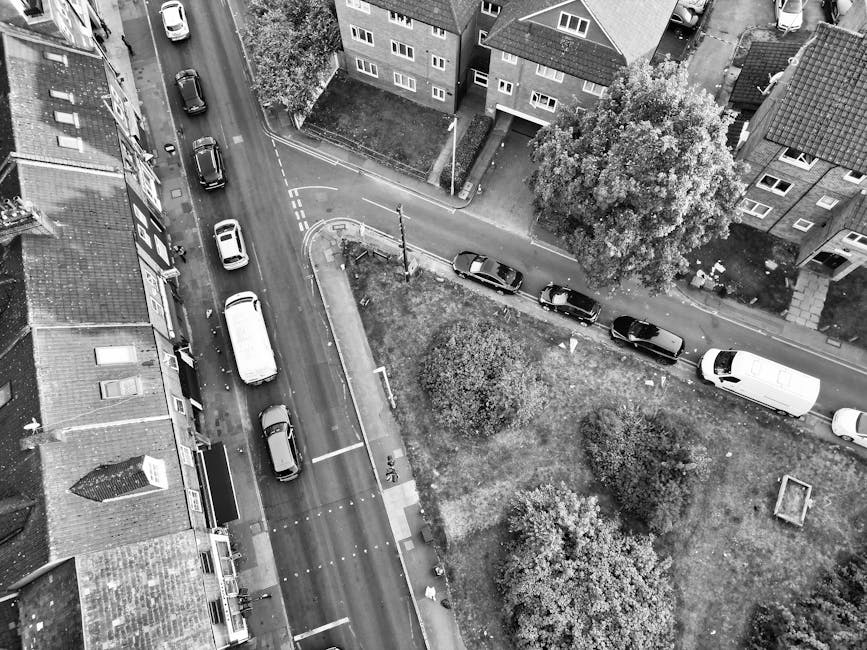
Wimbledon Village removals: best streets for van access
If you are planning a move in Wimbledon Village, the street outside your door can matter almost as much as the move itself. Narrow roads, resident parking, busy school runs, awkward bends, and the odd well-placed tree can turn a simple collection into a bit of a puzzle. That is why Wimbledon Village removals best streets for van access is such a useful topic to get right before moving day.
This guide walks you through how van access works in the village, which kinds of streets tend to be easier, what can slow a removal vehicle down, and how to plan your move so it feels calm rather than chaotic. Truth be told, a little planning here saves a lot of lifting later.
Whether you are moving a flat, a family home, or just a few bulky items, the aim is the same: get the vehicle as close as safely and legally possible, protect your belongings, and avoid the kind of last-minute stress that makes everyone sound a bit sharper than usual.
- Why van access matters in Wimbledon Village
- How access planning works
- Key benefits of choosing the right street
- Who this is for
- Step-by-step guidance
- Expert tips for smoother removals
- Common mistakes to avoid
- Tools, resources and recommendations
- Law, compliance and best practice
- Options and comparison table
- Real-world example
- Practical checklist
- Conclusion
- Frequently asked questions
Why Wimbledon Village removals best streets for van access Matters
In a place like Wimbledon Village, van access is not just a nice-to-have. It directly affects how quickly and safely a removal can happen. If the van can park close to the property, loading is easier, furniture is handled less, and the whole day tends to run with less friction. If it cannot, everything becomes slower. More carrying. More risk. More chances for a scratched door frame or a tired second trip that nobody enjoys.
The village has a character all its own. That charm is exactly why access can be tricky. You may have a beautiful period property on a road that looks straightforward until you meet a sharp bend, a parked car on one side, and not much room to breathe. Some streets are simply better suited to removal vans than others, especially when you are dealing with large items like wardrobes, sofas, dining tables, or office equipment.
To be fair, not every move needs a huge truck right up to the front door. Sometimes a smaller vehicle or a man and van setup is the more sensible choice. But even then, access still matters. A shorter carry can be the difference between a smooth handover and a very long morning with one box in each hand and no great enthusiasm left.
Expert summary: In Wimbledon Village, the best street for van access is usually the one that gives you legal stopping space, enough width for safe manoeuvring, and the shortest practical carry from vehicle to property. Simple in theory. A bit fiddly in practice.
How Wimbledon Village removals best streets for van access Works
Good access planning starts before the van arrives. You look at the property, the street layout, the likely parking situation, and the type of vehicle being used. Then you decide whether the move can happen directly outside the property, around the corner, or from a nearby wider road with a short carry.
In removal work, "best access" usually means the following:
- the vehicle can stop without causing a hazard
- there is enough room for doors, ramps, and safe loading
- the crew can move items without blocking the pavement for too long
- the route between van and front door is short, level, and manageable
That sounds obvious, but on the day it is easy to underestimate how much small details matter. A street that looks fine on foot can be a headache for a long wheelbase van. A road with parking on both sides can work brilliantly at 9:00 in the morning and be a mess by lunch. And if there is a school nearby, you will notice how quickly the road fills up. Very quickly.
Some of the better access streets in the Wimbledon Village area are not necessarily the most famous ones. Often it is the wider, less tightly parked roads, or the streets with better turning space and easier approach routes, that make a move simpler. The exact choice depends on the size of the vehicle and the property itself, so a proper pre-move check is always worthwhile.
If you are arranging a full home move, a service such as home moves or house removalists may be more suitable than a smaller single-item service. For business relocations, the logic is the same, but the timing and vehicle choice may be different, which is why commercial moves and office relocation services are usually planned with tighter scheduling in mind.
Key Benefits and Practical Advantages
Choosing the right street or access point is not just about convenience. It changes the quality of the whole move.
- Less carrying distance: fewer steps from van to property means less fatigue and lower risk of damage.
- Faster loading and unloading: moving day becomes more efficient, especially with heavy furniture.
- Lower chance of delays: less time hunting for a usable stop point or shuffling vehicles around.
- Reduced risk to property: shorter carries often mean fewer knocks to walls, banisters, and door frames.
- Better control on busy streets: access planning helps the crew work safely even where parking is limited.
There is also a stress benefit people do not always mention. When the removal van can park sensibly, the job feels under control. You are not juggling your keys, your phone, a kettle, and three boxes while wondering if the vehicle can legally stay where it is. That matters more than people think.
If you need extra help with packing, a service like packing and unpacking services can also reduce the number of last-minute items that end up being awkward to carry. Fewer loose bits. Fewer surprise jobs. Less drama, frankly.
Who This Is For and When It Makes Sense
This guidance is useful for anyone moving in or around Wimbledon Village, but it is especially relevant if you are dealing with one of the following situations:
- a period home with narrow frontage or tight parking
- a flat above ground level where items must be carried further
- a family move with larger furniture and lots of boxes
- a same-day office or small business relocation
- a collection or delivery of heavy items like wardrobes, beds, or sofas
It also makes sense if you are trying to decide between a smaller vehicle and a larger one. Sometimes a man with van arrangement is enough. Sometimes you need a moving truck or even removal truck hire if the load is substantial and the access is workable. The key is matching the vehicle to the street, not forcing the street to fit the vehicle. That never ends well.
It is also worth considering the job type. A single sofa collected from a side street is a very different proposition from a full household move. If you just need one or two large pieces removed, furniture pick-up may be the better fit.
Step-by-Step Guidance
Here is a practical way to think through access before moving day.
- Check the property frontage. Look at the width of the street, the position of parked cars, and whether there is space to open van doors safely.
- Measure the obvious obstacles. Watch for low branches, tight corners, steps, bollards, and narrow gates. These are the small things that cause big pauses.
- Choose the right vehicle size. A smaller van can sometimes beat a larger truck if the road is tight. Bigger is not always better. Slightly annoying, but true.
- Decide on the loading point. Can the van stop outside the door, or should it use a wider nearby road? Sometimes the best access is technically round the corner.
- Plan the carry route. Make sure the route is clear of tripping hazards, garden furniture, loose gravel, and wet mats.
- Prepare the items. Label boxes, dismantle what you can, and protect fragile surfaces before the crew arrives.
- Allow for timing pressure. School traffic, weekend visitors, and limited parking can all change the picture. If you can, move at a quieter time of day.
- Keep one person available to guide the crew. A quick "yes, use the side gate" or "no, that corner is too tight" can save a surprising amount of time.
If you are unsure which vehicle suits your street, discuss the route early. A local removal team can often spot a problem from a quick description that a homeowner may not think twice about. In our experience, one short call prevents a lot of last-minute improvising.
Expert Tips for Better Results
A few small choices can make a big difference. Not glamorous, but effective.
- Walk the route yourself. Start at the van stop point and walk to the front door with a box in hand. If it feels awkward on foot, it will feel worse with a sofa.
- Look at the street at the same time of day as the move. A road that is calm at 7:30 a.m. can be a different world at 9:15.
- Use the light and weather to your advantage. Early daylight makes it easier to spot steps, kerbs, and narrow gaps. Rain changes grip and pace; no surprise there.
- Protect the property. Floor runners, blankets, and door protection are worth the fuss when carrying larger items.
- Have a parking fallback. If the ideal spot is taken, know where the next best stop is. That mental map is very handy.
And one slightly cheeky but useful tip: if a street looks perfect, double-check it anyway. The universe has a habit of putting a delivery van in exactly the only space you wanted. Funny, in a way. Not really funny on moving day.
For larger or more complex moves, some customers find it easier to combine vehicle hire with hands-on loading support. In those cases, man and van can be a nice middle ground, while moving truck solutions suit bigger volumes where access is a bit less forgiving.
Common Mistakes to Avoid
Most access problems come from a few repeat mistakes. The good news is they are avoidable.
- Assuming the van can park directly outside. This is the classic one. It often works until it doesn't.
- Choosing a vehicle that is too large for the road. A bigger truck may create more trouble than it solves.
- Ignoring local parking pressure. Wimbledon Village can get busy, and street space is not always predictable.
- Not planning for long carry distances. A 20-metre carry can sound fine. After 40 trips, less so.
- Leaving packing until the last minute. Loose items slow everything down and create clutter right when you need clear space.
- Forgetting to check access at both ends. A brilliant pickup street does not help much if the destination is equally awkward.
One real-world pattern we see is people focusing so much on the property itself that they forget the street. Yet the street decides the rhythm of the day. Where will the van sit? Where will the crew walk? Where can the doors open? Those questions are more useful than you might think.
Tools, Resources and Recommendations
You do not need fancy equipment to plan van access well. A few practical tools are enough.
- Phone camera: take photos of the street, frontage, steps, and any awkward turns.
- Simple tape measure: helpful for gates, furniture widths, and narrow hallways.
- Floor plan or rough sketch: ideal for deciding what should be dismantled in advance.
- Labels and marker pens: useful for boxes and room-by-room organisation.
- Protective wrapping: blankets, covers, and tape help prevent scuffs in tight access situations.
On the service side, the right support depends on what you are moving. A small residential move might be best handled through home moves, while a larger household may need house removalists. For heavier loads, a dedicated vehicle arrangement such as removal truck hire may be more practical.
If you want to understand the people behind the service, it can help to read the about us page. And if you are at the point where you just want to speak to someone and get the move moving, the contact us page is there for that next step.
Law, Compliance, Standards, or Best Practice
Removal access in London is usually less about dramatic legal complexity and more about sensible compliance and common sense. Still, it is worth being careful. Parking restrictions, loading bays, resident-only zones, and any local access rules should always be respected. If a street has marked restrictions or limited waiting, assume they matter. Because they do.
The safest approach is to plan for lawful stopping only, avoid blocking driveways, keep footpaths clear where possible, and make sure the vehicle and crew are operating in a way that is safe for pedestrians and neighbours. If a street is too tight for a van to stop safely, do not force it. Find a better point and carry the items a short distance instead.
For commercial relocations, there is also a best-practice expectation around minimising disruption to staff, neighbours, and road users. That often means early scheduling, clear load planning, and a vehicle choice that fits the site rather than fighting it. Nothing exotic. Just proper planning.
And yes, terms and service conditions matter too, especially when booking vehicle hire or move support. It is wise to understand exactly what is included before moving day. The terms and conditions page is there for that sort of housekeeping, and the privacy policy explains how your details are handled.
Options, Methods, or Comparison Table
Different street layouts call for different moving methods. The table below gives a simple way to compare them.
| Method | Best for | Van access needs | Main advantage | Watch out for |
|---|---|---|---|---|
| Man and van | Small to medium moves, flexible collections | Moderate; works well where parking is tight | Flexible and often easier on narrow streets | May need more trips for larger loads |
| Moving truck | Larger household moves and bulkier furniture | Better on wider streets or where stopping space is available | More capacity in one go | Can be awkward on narrow or heavily parked roads |
| Removal truck hire | Moves where you want dedicated vehicle control | Depends on route and stopping space | Good for structured, planned moves | Requires careful access planning |
| Furniture pick-up | Single items or a few bulky pieces | Often manageable on tighter streets | Simple and efficient for one-off jobs | May not suit large volumes |
If you are not sure which option fits your street, start with the access rather than the vehicle. That is the cleaner way round. A compact route can open the door to a smaller van; a wide, open road may justify a larger one. The street tells you a lot if you actually look at it.
Case Study or Real-World Example
Imagine a family moving from a terraced home in Wimbledon Village to another property nearby. The original street is charming, but parking is tight and a row of cars often fills the curb by late morning. The family initially thinks a medium-sized truck can stop outside for the whole loading period. On a quick recce, though, the team notices that the best spot is actually 40 metres away on a slightly wider section of road.
Instead of forcing the truck into the tightest part of the street, they choose the safer stopping point, lay down protection inside the home, and plan for a short carry. The furniture moves in a steady rhythm: boxes first, then lighter items, then the awkward sofa that always feels a bit larger once it has to turn a corner. There is no traffic drama, no blocked driveway, and no irritated neighbour waiting to leave.
That kind of move is not flashy. But it works. And in removals, working smoothly is the real win.
For another example, a small business shifting equipment from an office near the village may use commercial moves or office relocation services to match the vehicle and the timing to the access available. Business moves often need the van in and out quickly, which makes route planning even more valuable.
Practical Checklist
Use this before the van arrives.
- Confirm the pickup street and destination street are both accessible
- Check for parking restrictions, loading limits, or resident-only spaces
- Measure any tight gates, hallways, or stair turns
- Decide whether a smaller van or larger truck is the better fit
- Clear the route inside the property
- Protect floors, corners, and door frames
- Pack and label boxes clearly
- Move fragile or valuable items separately if needed
- Keep keys, contact details, and access instructions ready
- Have a fallback parking point in mind
If you are collecting bulky furniture rather than moving a whole property, consider whether a dedicated item collection is enough. A well-planned furniture pick-up can be much simpler than arranging a larger vehicle that is overkill for the job.
Get a free quote today and see how much you can save.
Conclusion
Wimbledon Village removals best streets for van access is really about making sensible choices before moving day takes over. The right street, the right vehicle, and the right loading plan can turn a difficult move into a straightforward one. That does not mean every road will be perfect. Far from it. But with a little preparation, you can usually find a workable solution that keeps the day moving.
If there is one thing to remember, it is this: do not judge access by looks alone. Walk it, check it, measure it, and think through the whole path from van to front door. That small bit of effort usually pays you back in time, energy, and peace of mind.
And once the last box is inside and the street goes quiet again, you will be glad you planned it properly. Small win, but a lovely one.
Frequently Asked Questions
Which streets in Wimbledon Village are usually easiest for van access?
The easiest streets are typically the wider ones with more parking flexibility, safer stopping space, and fewer tight bends. The exact best choice depends on the vehicle size and the time of day.
Is a man and van better than a large removal truck in Wimbledon Village?
Often, yes, if the street is narrow or parking is limited. A smaller vehicle can reduce stress and improve access, especially for smaller or medium-sized moves.
How do I know if my street is too narrow for a moving van?
Look at how parked cars affect the carriageway, whether the van can stop without blocking traffic, and whether there is room to open doors safely. If you are unsure, a pre-move site check is the safest call.
Should I reserve parking for a removals van?
Where possible, yes. Even if you cannot reserve a formal space, planning the stop point in advance helps enormously. Just make sure any arrangement is lawful and practical for the vehicle.
What is the best time of day for access in Wimbledon Village?
Quieter times are usually easier, often earlier in the day before local traffic builds up. School runs, weekend footfall, and commuter patterns can all affect access, so timing matters more than people expect.
Can removals teams carry items from a nearby street if the van cannot stop outside?
Yes. Sometimes the best practical solution is to stop on a wider nearby road and complete a short carry. It is not ideal, but it can be perfectly workable if planned properly.
What should I tell the removals company before the move?
Tell them the street name, parking situation, any narrow entrances, steps, long carries, and whether there are bulky items. The more accurate the access details, the better the vehicle planning.
Do I need packing help if access is tight?
It can help a lot. Good packing reduces the number of awkward loose items and makes loading quicker. If you want less scrambling on the day, it is worth considering.
Is furniture pick-up suitable for Wimbledon Village streets?
Often yes, especially if you only have one or two large items and the street allows brief stopping. For a single sofa, bed, or wardrobe, this can be a sensible choice.
What if the best access street still has no parking space?
Then a fallback plan becomes important. A nearby road with safer stopping space may be the better option, even if it means a slightly longer carry. Better that than forcing a risky stop.
Can office moves in Wimbledon Village be done with the same access planning as home moves?
The principles are the same, but office moves usually need tighter timing and clearer coordination. That is why commercial and office relocation planning often benefits from a more structured approach.
How far in advance should I check van access?
Ideally a few days ahead, and again closer to the move if the street is busy or parking changes often. A quick final check can save a lot of uncertainty.